1. The Big Picture
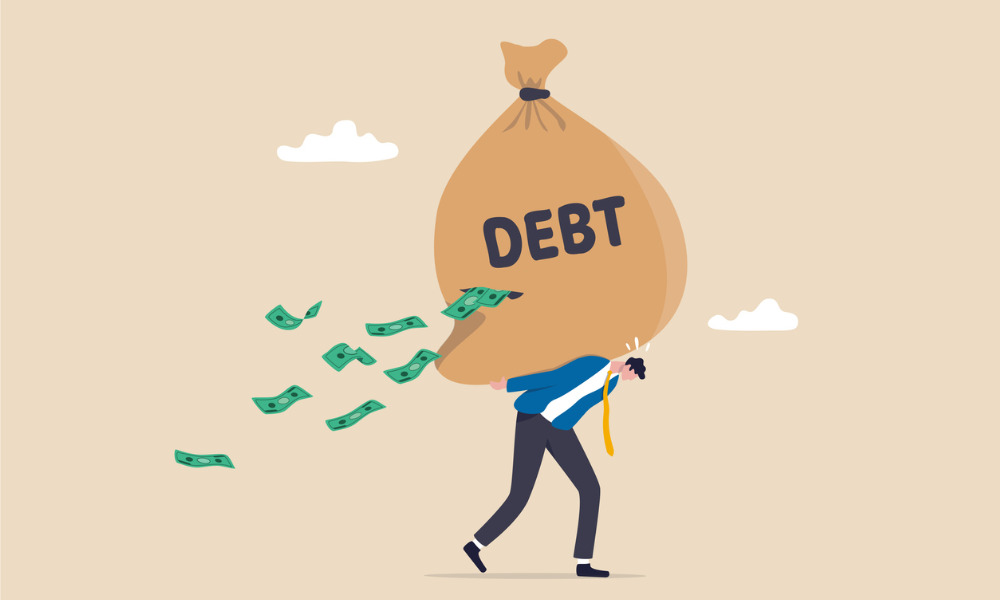
Canadian households carry very high levels of debt relative to incomes and assets. The ratio of household credit-market debt to disposable income reached about 173.9% in early 2025 — meaning roughly $1.74 of debt for every $1 of after-tax income.
Household debt as a share of GDP was around 99% in late 2024, and although the debt-service ratio has eased slightly, it remains elevated at approximately 14.4%.
These figures show that Canadians are among the most indebted households in the developed world.
2. Why the Debt Has Accumulated
Several factors have contributed to Canada’s high household debt levels:
- Housing boom and large mortgages: Decades of strong home-price growth encouraged households to take larger mortgages.
- Low interest-rate era: Cheap borrowing made credit more attractive, especially for refinancing or upgrading homes.
- Credit expansion: Increased use of lines of credit and credit cards added to total liabilities.
- Slow income growth: Incomes have not kept pace with rising housing and living costs, forcing many to rely on credit.
3. Risks Implied by High Debt Levels
High household debt poses several risks:
- Interest-rate sensitivity: Rising rates quickly increase debt-servicing costs.
- Mortgage renewal risk: Many Canadian mortgages renew every 3–5 years, exposing households to higher rates.
- Housing market vulnerability: A correction could reduce home equity and financial confidence.
- Reduced flexibility: High debt limits financial options during emergencies.
- Macro risk: When many households are over-leveraged, economic growth can slow and financial stability can weaken.
4. Current Trends
As of 2025, total household borrowing stood near $3.07 trillion, with mortgages making up about 75%.
While the debt-service ratio has stabilised, debt growth still outpaces income growth for many households. Rising mortgage rates have made new borrowing more expensive, but existing borrowers continue to face challenges as renewals approach.
5. How to Manage Household Debt
Here are key steps to improve financial resilience and manage debt effectively:
- Build an emergency fund — Save 3–6 months of essential expenses to avoid new debt during emergencies.
- Keep payments affordable — Ensure total debt-servicing stays below 30–35% of income.
- Prioritise high-interest debt — Pay off credit cards and consumer loans first.
- Refinance smartly — Explore options for better mortgage terms before renewal.
- Avoid over-leveraging home equity — Borrow cautiously against property.
- Stay within budget — Align housing costs and lifestyle with income.
- Use extra income wisely — Allocate bonuses or side income toward debt repayment or savings.
- Monitor and review regularly — Track your debt-to-income ratio and adjust spending habits as needed.
6. Why This Matters
For households, manageable debt means greater freedom to invest, save, and seize opportunities without financial stress. With interest rates still relatively high and housing affordability strained, staying disciplined about debt helps protect against shocks and improves long-term financial health.
7. Summary — Key Takeaways
- Canada’s household debt ratio remains among the highest globally, at around $1.74 owed per $1 of disposable income.
- Most of this debt is mortgage-related, reflecting Canada’s expensive housing market.
- To manage debt: maintain liquidity, prioritise high-interest repayments, avoid excessive borrowing, and budget conservatively.
- Reducing leverage builds financial resilience and long-term independence.
Leave feedback about this