
Introduction
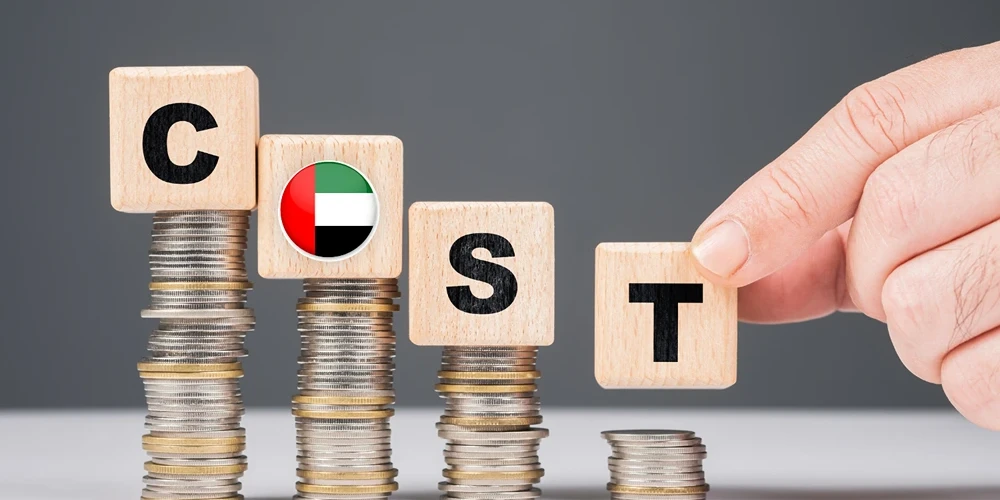
Living in high-cost urban centres such as Dubai, Abu Dhabi, Riyadh, and Doha offers incredible opportunities but also comes with high expenses. From rising rent to education, healthcare, and transport, the cost of living can strain even high earners. A structured approach to budgeting helps families maintain financial balance, save efficiently, and plan for the future.
The Urban Cost Challenge
• The Gulf region offers tax-free salaries but also premium living standards.
• Housing: Rent consumes 35–45% of income in most major cities.
• Education: International schools charge thousands per child per year.
• Transport: Car ownership includes fuel, parking, and insurance costs.
• Utilities: Air conditioning and connectivity raise monthly bills.
• Lifestyle: Shopping, dining, and entertainment can be expensive.
Without proper planning, even comfortable incomes can disappear quickly.
Why Budgeting is Essential in Gulf Cities
• Living costs such as rent and education can rise annually.
• Expats often lack state benefits or pensions available to citizens.
• Imported goods cause global inflation to impact daily expenses.
• Financial goals like savings and remittances require discipline.
Without structure, high earners often fall into the “income-rich, cash-poor” cycle.
Steps to Build a Sustainable Urban Budget
Step 1: Track Expenses
Record all spending for at least three months to identify fixed and variable costs.
Step 2: Apply a 50/30/20 Framework (Gulf Edition)
• 50% on needs (rent, food, transport, healthcare).
• 30% on wants (entertainment, shopping, leisure).
• 20% on savings/investments.
High earners can aim for 40/30/30 to grow wealth faster.
Step 3: Build an Emergency Fund
Keep 3–6 months of essential expenses accessible in cash or a high-interest account.
Step 4: Manage Housing Costs
Negotiate lease renewals, consider suburban living, or share housing to lower rent.
Step 5: Control Lifestyle Spending
Plan meals, compare online prices, and reduce unnecessary luxury purchases.
Step 6: Insure and Protect
Get full health and life insurance coverage for dependents and major annual expenses.
Saving and Investing in Gulf Markets
• Savings accounts: Islamic or high-yield options in UAE and Saudi banks.
• Investments: Mutual funds, ETFs, sukuks, or real estate.
• Retirement planning: Expats should set up private pension or offshore plans.
• Automate savings: Use standing orders for monthly saving transfers.
Useful Budgeting Apps in the Gulf
• Wally – GCC-based, supports currencies and bank sync.
• YNAB – Helps allocate money in real time.
• Emma – Tracks subscriptions and bank spending.
• Spendee – Ideal for families and shared budgets.
Common Budgeting Mistakes
• Ignoring annual expenses like school fees or insurance renewals.
• Using credit cards for lifestyle purchases without full repayment.
• Underestimating small recurring costs.
• Not investing or failing to diversify currencies.
• Not updating budgets after major life changes.
Key Takeaways
• Track and categorise all expenses.
• Prioritise needs before luxuries.
• Automate and diversify savings.
• Review budgets quarterly for cost changes.
• Prepare long-term goals like children’s education and retirement.
Conclusion
Budgeting in high-cost Gulf cities isn’t about restriction—it’s about smart living. By balancing spending, saving systematically, and leveraging investment options, households can thrive financially while enjoying a high-quality lifestyle. In regions like the UAE and Saudi Arabia, disciplined budgeting is essential for sustainable prosperity.