Introduction
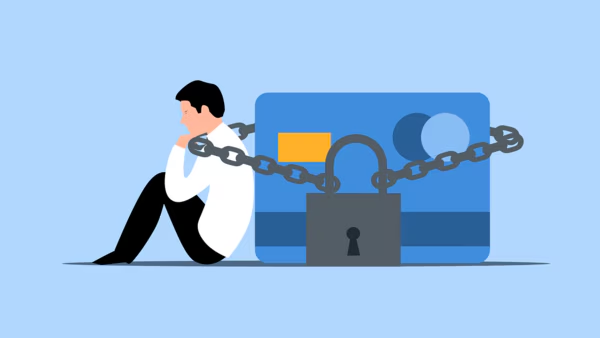
Household debt is a growing challenge for many families, with rising credit card balances and long-term auto loans adding pressure to monthly budgets. Managing debt effectively not only improves credit health but also creates room for financial freedom and peace of mind. This guide shares practical strategies to lower debt and regain financial control.
Understanding the Debt Problem
Credit Card Debt:
Credit cards often carry high interest rates between 24–40% annually. Paying only the minimum keeps you trapped in the debt cycle and leads to heavy interest costs.
Auto Loans:
Auto loans may offer long repayment terms, lowering EMIs but increasing total interest paid. Depreciation may also cause negative equity — owing more than the car’s value.
Emotional Strain:
High debt creates stress, reduces financial flexibility, and affects overall well-being. Addressing debt early supports both mental and financial health.
Practical Strategies to Reduce Household Debt
• Assess all debts — list interest rates, amounts, and due dates to prioritise effectively.
• Use the Debt Avalanche (highest-interest first) or Snowball (smallest debt first) method.
• Avoid new debt — stop using credit cards unless paying the full balance monthly.
• Consolidate or refinance loans to secure lower interest or simpler payments.
• Use balance transfers for credit card debt or refinance auto loans.
• Automate payments to avoid late fees and always pay more than the minimum.
• Cut unnecessary expenses — subscriptions, dining out, impulse purchases.
• Increase income through freelancing, part-time work, or side gigs; direct extra earnings to debt repayment.
• Build a 3–6 month emergency fund to avoid future borrowing.
• Track progress through apps like CRED, YNAB, Goodbudget, or Debt Payoff Planner.
• Seek financial advice from certified planners if overwhelmed.
Mindset Shift: From Borrower to Saver
Becoming debt-free begins with changing money habits. Focus on long-term stability instead of short-term gratification. Celebrate progress, stay consistent, and replace borrowing with disciplined saving and investing.
Key Takeaways
• Pay off high-interest debt first.
• Avoid new credit until debts are cleared.
• Consolidate or refinance to reduce interest costs.
• Reduce expenses and increase income to accelerate repayment.
• Stay disciplined — small progress adds up over time.
Conclusion
Reducing household debt isn’t about harsh sacrifices — it’s about smart planning and steady discipline. With better budgeting, prioritised repayments, and healthier financial habits, you can eliminate debt and transform your income into a tool for savings, growth, and long-term financial independence.
Leave feedback about this